


Unlock Global Connectivity With The Best eSIM Card For Travel
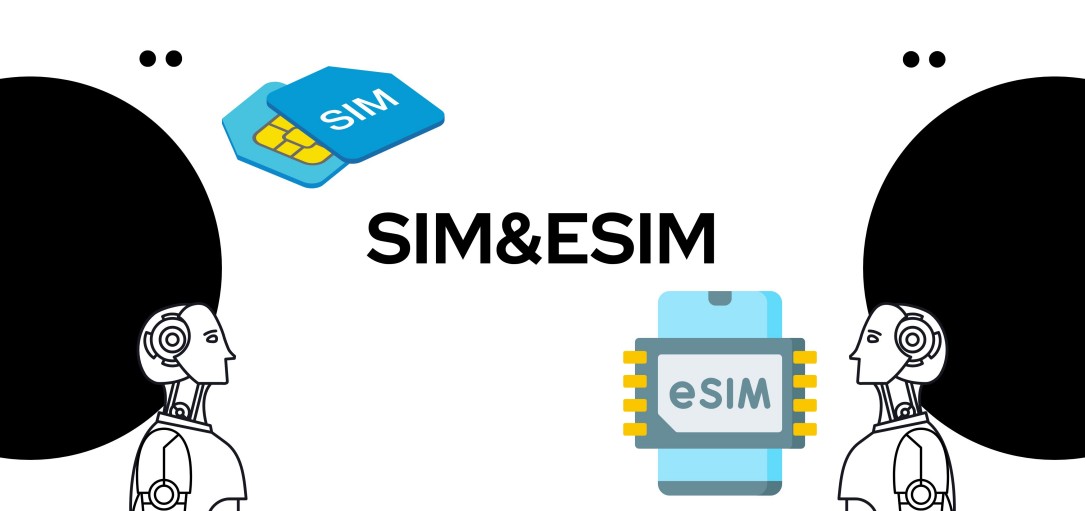
What if you could switch mobile carriers without fumbling with a tiny, fragile plastic card? An eSIM is a permanently embedded, programmable chip inside your device that performs the same function as a physical SIM, but entirely in digital form. This technology allows you to instantly download and activate a mobile plan from a carrier by scanning a QR code or using an app, offering unparalleled convenience and flexibility for managing multiple profiles on a single device.
Understanding the Shift From Physical SIMs
Understanding the shift from physical SIMs to an eSIM card begins with recognizing the fundamental change in how your phone connects to a network. A physical SIM is a removable chip that stores your subscriber identity, whereas an eSIM is a permanent, rewritable chip soldered into the device’s motherboard. This shift eliminates the need to handle a fragile plastic card; you instead download a carrier profile directly. The primary practical advantage is the ability to switch carriers or add a second line without waiting for a physical card to ship. Managing multiple profiles on one eSIM, however, requires navigating the device’s settings menu rather than swapping trays. Future devices will likely omit the physical slot entirely, making this understanding essential for choosing compatible hardware. Ultimately, the shift is about moving network access from a removable object to an embedded, software-defined function.
What Makes Embedded SIM Technology Different
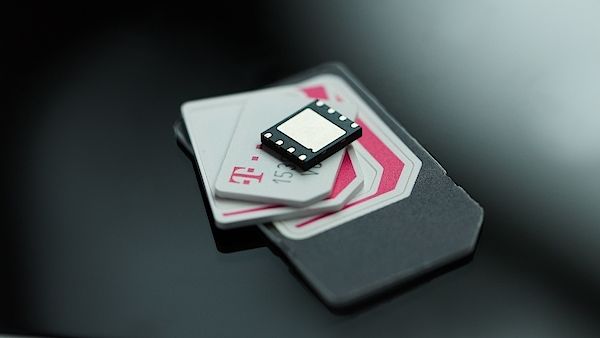
Embedded SIM technology differs fundamentally by soldering the SIM chip directly onto a device’s motherboard, eliminating the removable plastic card entirely. This permanent integration allows users to switch mobile networks by downloading a new operator profile over-the-air, without handling a physical SIM. Unlike a physical SIM, an eSIM can store multiple active profiles, enabling swift carrier changes via a device menu rather than waiting for a plastic card. The soldered chip also saves internal space, which manufacturers can repurpose for larger batteries or slimmer designs. For remotely provisioning network profiles, the process typically follows:
- User scans a carrier’s QR code or downloads an eSIM app.
- Profile is securely written to the embedded chip.
- Device restarts with the new active line.
This shift removes the need to physically swap, lose, or damage a SIM card.
The History of SIM Cards and Why Change Was Inevitable
The physical SIM card, introduced in 1991, began as a full-size credit-card-like module, then shrank through Mini, Micro, and Nano iterations. This downsizing reflected device pressure for slimmer profiles and freed internal space. The necessity of physical swapping became a growing friction. Users faced travel hassles, lost cards, and prying open trays. The logic of a permanently embedded, rewritable chip was the natural endpoint of this material reduction trend. Change was inevitable because physical SIMs still required a separate manufacturing step, a slot, and mechanical failure points. The sequence of obsolescence was clear:
- Full-size SIMs gave way to Mini SIMs for portability.
- Mini SIMs were trimmed to Micro SIMs for thinner phones.
- Micro SIMs were pared down to Nano SIMs, maximizing battery space.
- Nano SIMs logically evolved into the soldered eSIM—eliminating the tray entirely.
How an Embedded Subscriber Identity Module Actually Works
An eSIM works by soldering a tiny, rewritable chip directly onto your device’s motherboard instead of using a plastic card. This chip holds the same secure data as a physical SIM, but you remotely activate a mobile plan by downloading a digital profile onto the chip. When you switch carriers, a new profile simply overwrites the old one inside the secure element, allowing instant network changes without swapping hardware.
- You download a carrier’s profile as a QR code or app, which encrypts and stores the credentials on the embedded chip.
- The eSIM communicates with the network using the GlobalPlatform standard, ensuring security like a physical SIM.
- Multiple profiles can be stored, but only one is active at a time for voice/data use.
Key Advantages Over Traditional Plastic SIMs
An eSIM card eliminates the physical vulnerability of a traditional plastic SIM, which can be lost, damaged, or stolen during travel or device handling. The embedded chip allows you to switch carriers or plans remotely, bypassing the need to wait for a physical card to be shipped or to find a local store. This instant profile swapping is a critical advantage for frequent travelers managing multiple numbers. You can store several operator profiles simultaneously, freeing you from carrying a tray of tiny plastic cards or worrying about compatibility with different SIM sizes. Unlike a physical SIM that demands physical access to your device to swap, an eSIM lets you activate a local data plan moments after landing. For digital nomads or professionals with dual lines, this removes the logistical friction entirely.
Instant Activation Without Waiting for Physical Delivery
Instant activation with an eSIM eliminates the shipping delay inherent to physical SIM cards. The process requires only a QR code or app download, enabling immediate connectivity after purchase. Activation follows a clear sequence:
- Select a plan from a provider’s app or website.
- Scan the provided QR code or tap a link.
- Complete the profile download within seconds.
This allows travelers or new subscribers to activate service before arrival, bypassing mail delivery and store visits entirely. No waiting for a plastic card to arrive means connectivity begins the moment you finalize the transaction.
Traveling Without Fumbling With Tiny Cards
Ditching the physical SIM card tray transforms international travel from a fumbling chore into a seamless action. Instead of hunting for a paperclip and risking a lost nano-SIM on an airport floor, you activate data plans digitally within seconds. No more swapping those tiny cards between devices, misplacing them in your wallet, or worrying about static discharge damaging the fragile chip. The eSIM profile lives permanently on the device’s firmware, eliminating the physical exchange. When landing in a new country, you simply choose a local eSIM plan online, activate it, and your connection goes live immediately—no tiny card handling required.
Multiple Carrier Profiles on a Single Chip
An eSIM’s core advantage lies in its ability to host multiple carrier profiles on a single chip. Instead of being locked to one network, your device can store several active or standby plans simultaneously. This allows instant switching between a personal number and a work line, or swapping to a local data plan when traveling abroad—all without touching a physical card. No more juggling SIM ejector tools or risking lost chips.
- Store a local and home carrier profile side-by-side for seamless roaming.
- Switch between different data plans for travel or work within the device settings.
- Maintain a primary line active while downloading a new carrier profile for a temporary service.
Enhanced Security and Tamper Resistance
An eSIM’s core advantage lies in its superior tamper resistance compared to removable plastic SIMs. Because the eSIM is permanently soldered into the device’s hardware, it cannot be physically removed, stolen, or swapped out without damaging the device itself. This makes hardware-level tamper protection far more robust, as the embedded chip meets rigorous security standards to prevent unauthorized cloning or data extraction. Without a physical card to intercept or copy, the risk of SIM-swap fraud is drastically reduced, offering users a more secure, integrated identity shield that remains intact even if the device is lost.
Devices That Support This New Standard
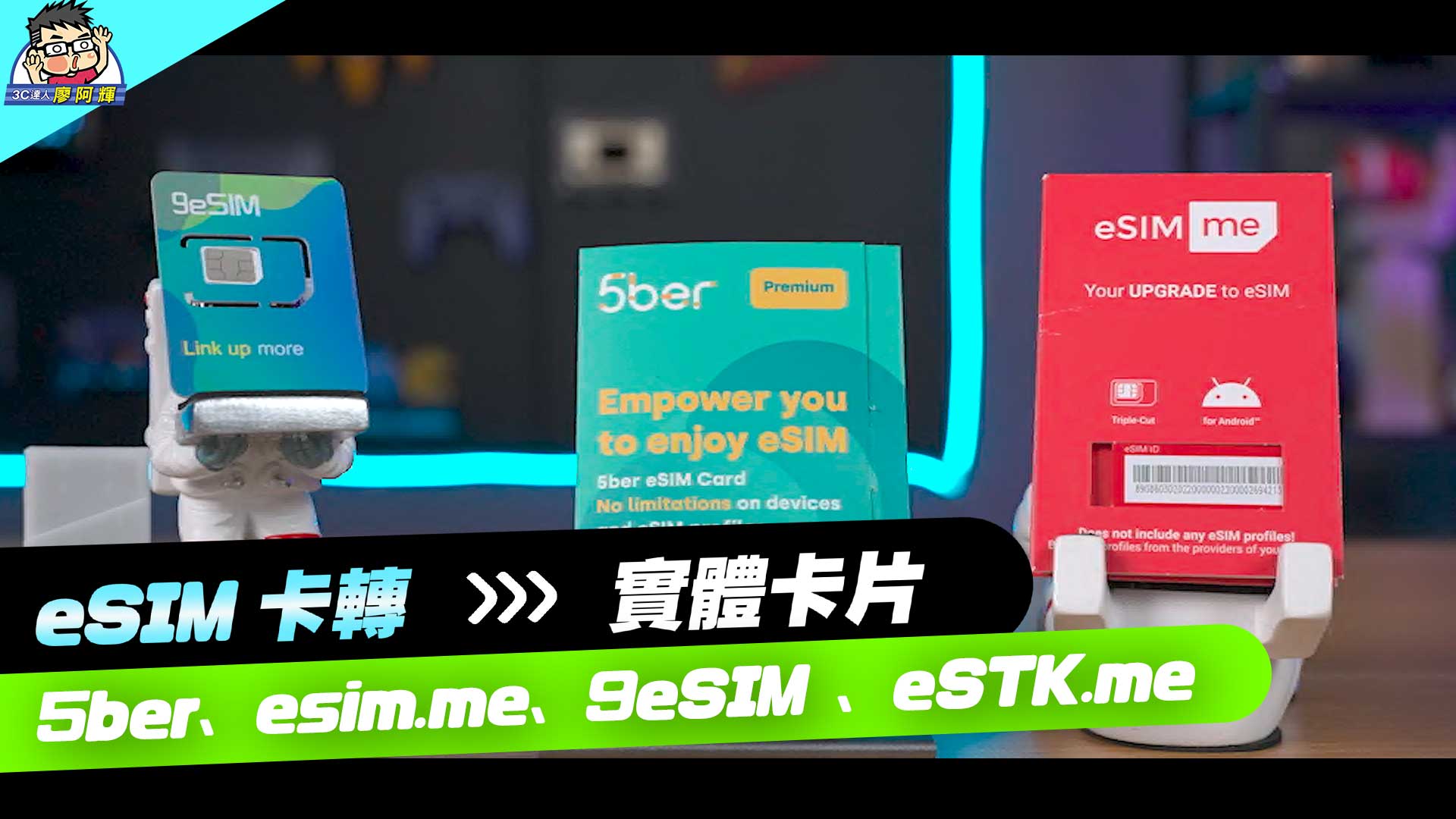
Devices that support the eSIM standard are now widespread across flagship and mid-range smartphones, including all recent Apple iPhones (from the XS onward), Google Pixel models (from the 3a), and Samsung Galaxy S20 series and newer. These devices feature an embedded chip permanently soldered to the motherboard, replacing the physical SIM tray in many modern models. When activating a new plan, you simply scan a QR code provided by your carrier or use an app to download the profile directly to the eSIM. To verify compatibility with a specific carrier, check its official IMEI compatibility checker before leaving your current provider. For dual-SIM usage, many devices let you combine one eSIM with a physical nano-SIM, although some models (like US-market iPhones from the iPhone 14 onward) rely solely on multiple eSIM profiles. It is critical to confirm your device supports eSIM-over-the-air provisioning, as some older hardware requires a physical eSIM card to be inserted during initial setup. Always ensure your eSIM-managing software is updated to the latest firmware to guarantee seamless profile transfer between devices.
Flagship Smartphones Leading the Adoption
The push for eSIM started with flagship smartphones leading the adoption, making the transition smoother for everyday users. High-end models like the iPhone 15 Pro and Samsung Galaxy S24 series now ship with eSIM as the default or only option, removing the physical tray entirely. This means you can activate a cellular plan instantly by scanning a QR code or using a carrier app, without waiting for a plastic SIM to arrive. Switching between networks while traveling becomes a quick settings change rather than a fiddly card swap, putting full control in your hand.
Flagship phones set the standard by making eSIM the primary slot, not an afterthought.
Wearables, Tablets, and IoT Gadgets
eSIM technology enables wearables, tablets, and IoT gadgets to maintain cellular connectivity without a physical SIM slot. A smartwatch can independently make calls or stream music, while a tablet activates a data plan instantly via QR code, avoiding tray swapping. IoT gadgets like asset trackers or smart meters leverage remote provisioning to switch carriers over-the-air, simplifying deployment. For users, this means seamless multi-device data sharing under a single plan.
- A fitness watch manages its own cellular line for untethered GPS and notifications.
- Tablets download operator profiles directly in settings, no nano-SIM required.
- Industrial sensors update credentials wirelessly, cutting maintenance visits.
How to Check Your Phone’s Compatibility
To check your phone’s eSIM compatibility, first dial *#06#; if an EID number appears, your device supports eSIM hardware. Alternatively, navigate to **Settings > About Phone > Status** and look for an “ICCID” or “EID” entry. For iPhones, go to Settings > General > About and verify “Digital SIM” is listed. On Android, check under Settings > Connections > SIM Manager for an “Add eSIM” option. Your carrier’s website also lists supported models by IMEI.
Q: How do I confirm eSIM compatibility if my phone lacks a physical SIM tray?
If your phone has no SIM tray, it likely uses eSIM exclusively. Verify by checking the model number against the manufacturer’s official compatibility list or by searching “eSIM” in your settings menu. Some carriers require an eSIM activation kit.
Getting Started: Activation and Management
To get started, you must first acquire an eSIM card by purchasing a data plan from a compatible provider and receiving a QR code or activation code. Activation requires scanning that QR code within your device’s cellular settings, which securely downloads your eSIM profile; this replaces the need for a physical SIM. For management, your device’s settings allow you to label each line (e.g., “Work” or “Travel”), toggle between active plans, and erase an eSIM remotely if the phone is lost – all without handling a plastic card. The key to seamless management is remembering that your eSIM can store multiple profiles, but only one can be active for data at a time.
Always back up your activation QR code in a secure location before erasing a plan, as re-downloading a profile often requires provider assistance.
How to Purchase and Download a Remote Profile
To get your eSIM up and running, start by choosing a plan from a compatible carrier. After you purchase, you’ll receive a QR code or a confirmation link. Open your phone’s settings, navigate to the mobile network section, and select “Add eSIM.” Scan the provided QR code or tap the link, and the remote profile will download automatically. This simple eSIM activation usually finishes in a minute. Once it’s installed, label the line (like “Travel” or “Work”) and switch it on. You’re all set to use data right away—no physical card needed.
Switching Between Carriers Without a Physical Swap
Switching between carriers without a physical swap relies on installing a new eSIM profile directly onto the device’s embedded chip. Instead of waiting for a SIM card in the mail, you simply scan a QR code or download a carrier app to download the profile. This makes instant carrier switching possible because the old profile can be deactivated remotely, freeing up the eSIM slot. You then activate the new profile, which takes effect immediately upon network registration. However, your device must remain unlocked to accept a profile from a different carrier.
- Ensure your device is carrier-unlocked before initiating a profile change.
- Keep a screenshot of the new eSIM activation QR code as a backup.
- Delete the old carrier profile only after the new one is fully active.
- Verify network connectivity on the new profile within the settings menu.
Keeping Your Primary Number While Adding a Second Line
Adding a second line with an eSIM allows you to keep your primary number active without needing a second phone. Your original SIM remains inside the device for calls and texts, while the eSIM profile handles the new data plan. Simply install the eSIM via a carrier-provided QR code, then set your primary line for voice and iMessage, leaving the eSIM for mobile data. This setup lets you maintain your established contact number while enjoying a separate data or work line, all managed seamlessly in your phone’s settings.

Solutions for Frequent Travelers
For frequent travelers, an eSIM is the ultimate solution to ditching SIM swaps and roaming fees. You can install a local data plan before even boarding your flight, allowing instant connectivity upon landing. You manage everything from your phone’s settings, so there’s no need to find a physical store or carry tiny plastic cards. Most providers let you store multiple profiles, enabling quick switching between a home carrier and a local travel eSIM as you cross borders. This saves you from pricey hotel Wi-Fi and keeps your GPS, messaging, and ride-hailing apps working seamlessly the moment you step out of the airport.
Buying Data Plans for Overseas Trips in Minutes
For frequent travelers, buying data plans for overseas trips in minutes hinges on eSIM instant activation. Instead of hunting for local SIMs at arrivals, you select a destination-specific or regional data plan on a provider’s app, complete payment, and the profile downloads directly to your device. This eliminates physical card swaps and waiting times. Instant eSIM data plan purchases allow you to activate coverage while still at the departure gate, ensuring connectivity the moment you land. How does a traveler ensure compatibility before buying a data plan? You check that your smartphone supports eSIM technology and is carrier-unlocked, which is usually listed under settings. The entire transaction, from selection to connection, rarely exceeds a few minutes.
Preventing Roaming Charges With Local Profiles

To prevent shocking roaming charges, simply download a local eSIM profile for your destination. This swaps your home network for a local one, giving you access to cheap, local data rates. Your regular SIM stays active for calls, but data costs vanish. Activating a local data profile is the easiest way to stay connected without fees.
- Buy and install the profile before you fly to avoid triggering roaming on arrival.
- Keep your home eSIM enabled for SMS, but disable its data line to stop accidental charges.
- Use a single device with dual SIMs: one for calls, one for budget-friendly local data.
Key Providers That Simplify Global Connectivity
Leading providers like Airalo and Holafly eliminate roaming chaos by letting travelers activate a local data plan instantly in over 190 countries without swapping physical SIMs. Ubigi offers high-speed 5G bundles tailored for frequent flyers, while GigSky provides flexible regional passes for multi-hop itineraries. These platforms give you one tap control via their apps, ensuring seamless connectivity the moment you land.
- Airalo’s intuitive app allows you to purchase and install data plans for multiple destinations before departure
- Holafly offers unlimited data packages with no throttling in key travel regions
- Ubigi supports eSIM activation for over 200 destinations with competitive high-speed LTE/5G rates
Potential Drawbacks and Common Concerns
The promise of seamless connectivity often hits a snag when you realize your device locks to one eSIM profile at a time—swapping between a home number and a travel plan means fiddling with phone settings mid-trip, a clumsy process when you’re juggling bags. Device compatibility trips many up; older phones lack the hardware, and some carriers refuse to issue QR codes for unlocked eSIMs, forcing you into costly physical SIM rentals. If your phone breaks or is lost, recovering that embedded profile is slower than popping a SIM into a loaner, often requiring a call to the provider’s support line for a reissue—while you wait without data.
What Happens If the Chip Fails or Gets Corrupted
If the embedded chip fails or becomes corrupted, your eSIM instantly becomes unresponsive, leaving you without cellular service until a replacement is issued. Unlike a physical SIM, you cannot simply swap the damaged component yourself. Recovery involves contacting your carrier to generate a new activation QR code or eSIM profile, which can be downloaded if your device still has Wi-Fi access. eSIM recovery and re-provisioning is entirely software-based, so a corrupted chip often requires a phone hardware repair or replacement.
Q: What happens if the eSIM chip gets corrupted while I’m traveling?
A: You lose network access immediately, and you must find Wi-Fi to contact your carrier for a new eSIM profile—there is no local hardware swap available.
Transferring Profiles Between Phones Without Hassle
Transferring profiles between phones without hassle is a common concern, as eSIMs are not physically removable. The process is rarely seamless; it typically requires accessing your carrier’s app or web portal to generate a new QR code or download a new eSIM profile for the new device. Many carriers enforce a one-active-device rule, meaning the profile is deactivated on the old phone upon transfer, which can fail if the old phone is lost or broken. Profile re-download via carrier account is the only reliable method, often needing Wi-Fi and manual verification steps. Q: Can I transfer my eSIM profile instantly between phones? A: No. Most carriers require you to manually request a new eSIM, as the profile is tied to the device’s hardware ID, not a SIM card slot.
Limited Support in Some Regions and Networks
Even though eSIMs are growing, you might hit limited support in some regions and networks when traveling. Not every country or mobile carrier has fully rolled out eSIM activation. In places like rural parts of Africa or certain Asian islands, local providers might only offer physical SIMs, leaving you scrambling for a backup. Some budget carriers also restrict eSIM features to postpaid plans, locking out prepaid users.
Q: Can I use an eSIM anywhere I want?
A: Not everywhere—check if the local network actually supports eSIM downloads before you go, or you could be stuck without service.
Comparing Embedded SIMs to Dual SIM Setups
When comparing embedded SIMs to dual SIM setups, the primary practical difference is hardware flexibility versus digital convenience. An eSIM card is soldered into the device, freeing the physical SIM slot for a second carrier, which creates a hybrid dual-SIM configuration. Unlike traditional dual-SIM phones requiring two physical cards, an eSIM allows users to switch between profiles digitally without handling plastic. A key advantage is that you can store multiple eSIM profiles on one chip, enabling quick carrier swaps for travel or work without carrying extra SIMs. However, physical dual-SIM setups remain beneficial for users who need two active lines simultaneously with no carrier restrictions, as not all networks support eSIM. The trade-off is that eSIMs offer streamlined management, while dual physical SIMs provide universal compatibility.
Hybrid Solutions: Combining Physical and Digital Lines
A hybrid solution combines a physical SIM with an eSIM, allowing a device to maintain two active, separate lines simultaneously. This setup lets users keep a primary physical number for essential services while adding a digital eSIM for a secondary purpose, like a local data plan during travel. The physical line remains for calls and texts, while the eSIM handles high-speed data without swapping cards. This approach offers the flexibility to separate work and personal numbers on one device, or to preserve a home line while using a temporary international eSIM. The key benefit is seamless dual-line management without sacrificing either connection type.
A hybrid setup uses one physical SIM and one eSIM to run two independent lines at once, preserving a primary number while adding a digital line for data or work.
When Two eSIMs Are Better Than One
Two eSIMs surpass a single profile when you need to manage separate billing or privacy for work and personal lines on one device. This setup avoids juggling physical cards while keeping both numbers always active, ideal for frequent travelers pairing a local data plan with a home number. It also suits users who want a dedicated eSIM for high-speed streaming without draining a primary plan’s allowance. Dual eSIM management lets you toggle or assign default lines for calls, messages, and data per usage context, eliminating the compromise of a single carrier’s limits.
Q: When are two eSIMs better than one?
A: When you need simultaneous access to distinct carriers—like a local data eSIM and a home voice number—without swapping profiles or carrying separate phones.
Clarity on Hardware vs Software Limitations
Distinguishing between hardware and software limitations is critical when comparing eSIMs to dual SIM setups. A dual SIM phone uses separate physical hardware slots, meaning its limitation is purely hardware-based: you physically lack more than two cartridge slots. An eSIM, in contrast, imposes no hardware slot constraint but is limited by software—specifically, the device’s firmware restricts the number of active eSIM profiles (often 5–10) and only supports one active cellular connection at a time. Misattributing a software profile limit as a hardware deficiency can lead to false assumptions when planning multi-carrier usage.
| Aspect | Hardware Limitation | Software Limitation |
|---|---|---|
| eSIM Capacity | None (no physical slot required) | Firmware cap on stored profiles (e.g., 5) |
| Active Connections | Single physical SIM slot | Software controls which profile is UK eSIM active |
| Dual SIM Physical | Limited by number of SIM trays (2 max) | No software workaround for missing slot |
Business Applications and Enterprise Use Cases
For enterprise fleets, eSIM eliminates physical SIM swaps when provisioning IoT sensors across global logistics routes. IT teams remotely push carrier profiles to devices like smart meters or vehicle telematics, instantly switching networks without hardware access. This capability streamlines multi-country supply chain visibility, as a single eSIM profile can support local data plans per region. For field workforce tablets, batch deployment scripts activate enterprise use cases like real-time inventory scanning or remote diagnostics. Managed service providers enforce consistent billing and data pools across thousands of endpoints, while automated profile policies block roaming fraud. A manufacturer, for instance, can switch a container tracker’s carrier mid-shipment via an API, ensuring cost-efficient connectivity. This operational agility is critical for scaling connected assets without SIM logistics overhead.
Simplifying Fleet Management With Remote Provisioning
Remote provisioning through an eSIM card directly streamlines fleet management by eliminating physical SIM swaps when vehicles cross regional borders or change network operators. Fleet operators can push a new carrier profile over-the-air to every vehicle within minutes, ensuring continuous connectivity for telematics, real-time GPS tracking, and diagnostic reporting. This capability reduces vehicle downtime and administrative overhead because drivers no longer need to visit service centers for SIM updates. Over-the-air carrier switching allows a single eSIM in a fleet router or onboard unit to automatically select the strongest local network, optimizing data costs and coverage without manual intervention. Consequently, logistics managers maintain unified visibility across the entire fleet from a single dashboard, regardless of each vehicle’s current location or carrier.
Corporate Phone Plans That Scale Instantly
For enterprises, instant eSIM provisioning eliminates the lag of physical SIM logistics. Instead of ordering, shipping, and swapping plastic cards, IT admins deploy a new data plan—complete with a unique phone number—to a remote employee’s device within seconds via a management dashboard. When a team expands or a project surges, you simply batch-activate dozens of lines without waiting for hardware. This fluidity lets you adjust monthly capacity based on real-time headcount, not quarterly forecasts. You can even reassign a single eSIM profile from a terminated contract worker to a new intern mid-cycle, avoiding wasted spend.
Corporate phone plans that scale instantly let businesses add, remove, or shift lines on demand in under a minute, turning workforce growth into a seamless, zero-touch operation.
Reducing Inventory Costs for Device Manufacturers
eSIM technology directly reduces inventory costs for device manufacturers by eliminating the need to stock multiple physical SIM card SKUs for different carriers. Manufacturers can produce a single hardware variant for all markets, then assign the carrier profile later via software. This simplifies logistics:
- One bill of materials replaces region-specific components, lowering procurement complexity.
- Warehouse space is freed from storing millions of physical SIMs, cutting storage overhead.
- End-of-life waste is eliminated, as unused digital profiles avoid scrapping.
The primary financial impact is reducing inventory carrying costs through unified stock management. This single-SKU strategy also accelerates time-to-market while slashing working capital tied up in physical inventory.
Privacy and Security Implications
An eSIM shifts your security risk from a physical object you can lose to your digital identity. Because your profile is remotely provisioned, a determined attacker could potentially clone your eSIM via malware or a phishing attack, granting them access to your calls and texts. However, the encrypted remote provisioning process is generally more secure than slipping a physical SIM into a reader. The real vulnerability lies in your device’s operating system; if it’s compromised, attackers may remotely deactivate or hijack your eSIM without you knowing. This also creates a unique privacy risk: your phone’s IMEI becomes permanently linked to the eSIM’s digital identifier, making you more traceable across networks. Practically, this means you must rely entirely on strong device passwords and biometric locks—your mobile identity is now software, not plastic.
How Remote Management Affects Your Control
Remote management shifts primary control of your eSIM from your device to the carrier’s network. Your ability to activate, switch, or delete a profile can be overridden by a remote command, meaning a carrier can disable your service without physical access to your phone. This reduces your autonomy, as you must rely on an operator’s server to execute changes. While convenient for instant provisioning, this dependency introduces a layer where permissions are managed externally. To maintain influence, understanding your profile’s remote provisioning rights is critical—ensuring you can locally lock or confirm actions before they take effect.
Locked Profiles and Carrier Restrictions Explained
An eSIM’s locked profile ties the digital SIM directly to a specific carrier, preventing you from switching providers without an unlock code. This carrier restriction, often enforced by the device’s firmware, means you cannot simply delete the locked profile and add a new one—the eSIM is embedded and controlled remotely. For users, this creates a practical barrier: if you travel internationally or want a better plan, you are stuck until the carrier releases the profile. Carrier restriction on eSIM profiles effectively nullifies the promised flexibility of digital SIMs. Before purchasing a locked phone, verify that eSIM profiles can be carrier-unlocked.
Locked profiles mean your eSIM is permanently tethered to one carrier, requiring an official unlock to use any other network.
Data Encryption and Secure Element Features
An eSIM’s privacy hinges on hardware-grade data encryption and secure element integration. The embedded secure element is a tamper-resistant chip that isolates cryptographic keys from the device’s main operating system, preventing software-based extraction. During profile download, the eSIM uses AES-256 encryption to protect over-the-air credentials. Data encryption operates in a clear sequence:
- The carrier signs the profile with a private key, which the secure element verifies using a public certificate.
- After authentication, the subscription data is encrypted end-to-end and stored only within the secure element’s fortified memory.
This architecture ensures that even if a device’s OS is compromised, the encrypted subscriber credentials remain inaccessible.
Future Trends in Digital SIM Technology
Future digital SIM tech will make switching carriers as simple as tapping your screen, with instantaneous profile downloads eliminating the need for QR codes entirely. Your eSIM will seamlessly juggle multiple active plans, automatically selecting the strongest network for data or a local number for calls. This could mean your phone becomes a true universal identity device, storing your work, personal, and travel lines without any physical swapping. Security will evolve too, with embedded hardware-level encryption that makes cloning virtually impossible, even if your device is lost. Expect eSIMs to manage connectivity for wearables and laptops directly from your phone’s settings, creating a unified, always-on digital link without separate installs.
Expected Improvements in Switching Speed and Reliability
Future eSIM iterations will see switching speed reduced from seconds to near-instantaneous, leveraging pre-cached operator profiles for zero-lag transitions. Reliability will improve through redundant network path verification, ensuring a profile fails over without data interruption. This gains ultra-fast carrier switching by using edge-based handshake protocols that authenticate within a single packet round trip. Multi-IMSI containers will enable parallel connections, making fallback seamless rather than sequential. These changes eliminate the current dropouts during profile activation, giving users consistent connectivity across frequent plan swaps without manual retries.
| Aspect | Current Limitation | Expected Improvement |
|---|---|---|
| Profile activation delay | 2–10 seconds | Sub-second, pre-cached |
| Carrier switch dropouts | Frequent disconnects | Zero-packet-loss failover |
| Authentication overhead | Multi-round trips | Single-packet handshake |
The Role of eSIM in 5G and Beyond
eSIM is the foundational enabler for the seamless device-to-network integration required by 5G and future networks. Unlike physical SIMs, eSIM allows user devices to dynamically connect to multiple 5G network slices—each optimized for specific tasks like low-latency gaming or massive IoT. This built-in flexibility empowers users to instantly switch between high-bandwidth providers without swapping cards, ensuring they always leverage the fastest available spectrum. As 5G evolves toward 6G’s terahertz frequencies, eSIM’s remote provisioning will be critical for managing the explosive number of connected sensors and autonomous systems, making the SIM truly invisible but always active. The core advantage is instant multi-network adaptability without hardware changes.
Predictions for Universal Adoption and Carrier Neutrality
Universal adoption hinges on carrier-neutral eSIM profiles becoming the default. Users will predictably juggle multiple live plans from different providers on one device, instantly switching between a local data package and a global roaming profile. This eliminates physical SIM swaps and unlocks true plan portability. Carrier neutrality will mean your phone becomes an open marketplace, letting you select the best connectivity on the fly without contractual lock-in.
Predictions point to a future where every device ships with carrier-neutral capacity, allowing users to fluidly choose and switch network profiles like apps.
